Jangarak | 2021
When I got out of the car for the first time in Jangarak village in Sistan and Baluchistan, the heat of the sun was unbelievable. I was supposed to photograph this village and its people and narrate the story of these people. After a few days there, I realized that the pure heart and great spirit of the village people are like the big and bright sun.


My heart mourns for the fish, and I ache for the fisherman who toils to catch them. I lament my own fate, caught between the fish and the fisherman, torn and shattered into pieces.

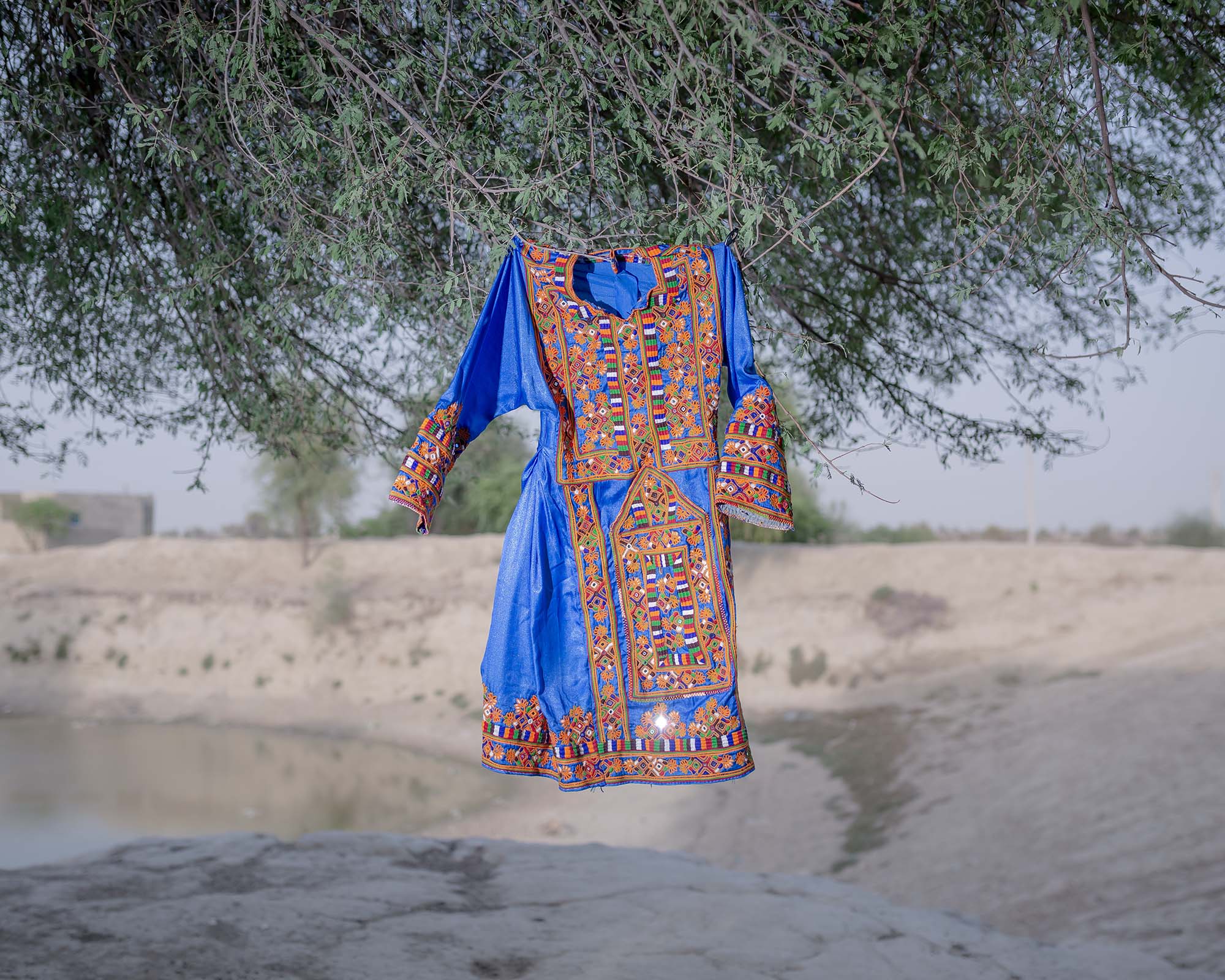
I learned needlework from my mother, as all girls do from theirs. The mirrors are brought from Pakistan, while the threads come from Iran. It's different here; every girl sews her own wedding dress.

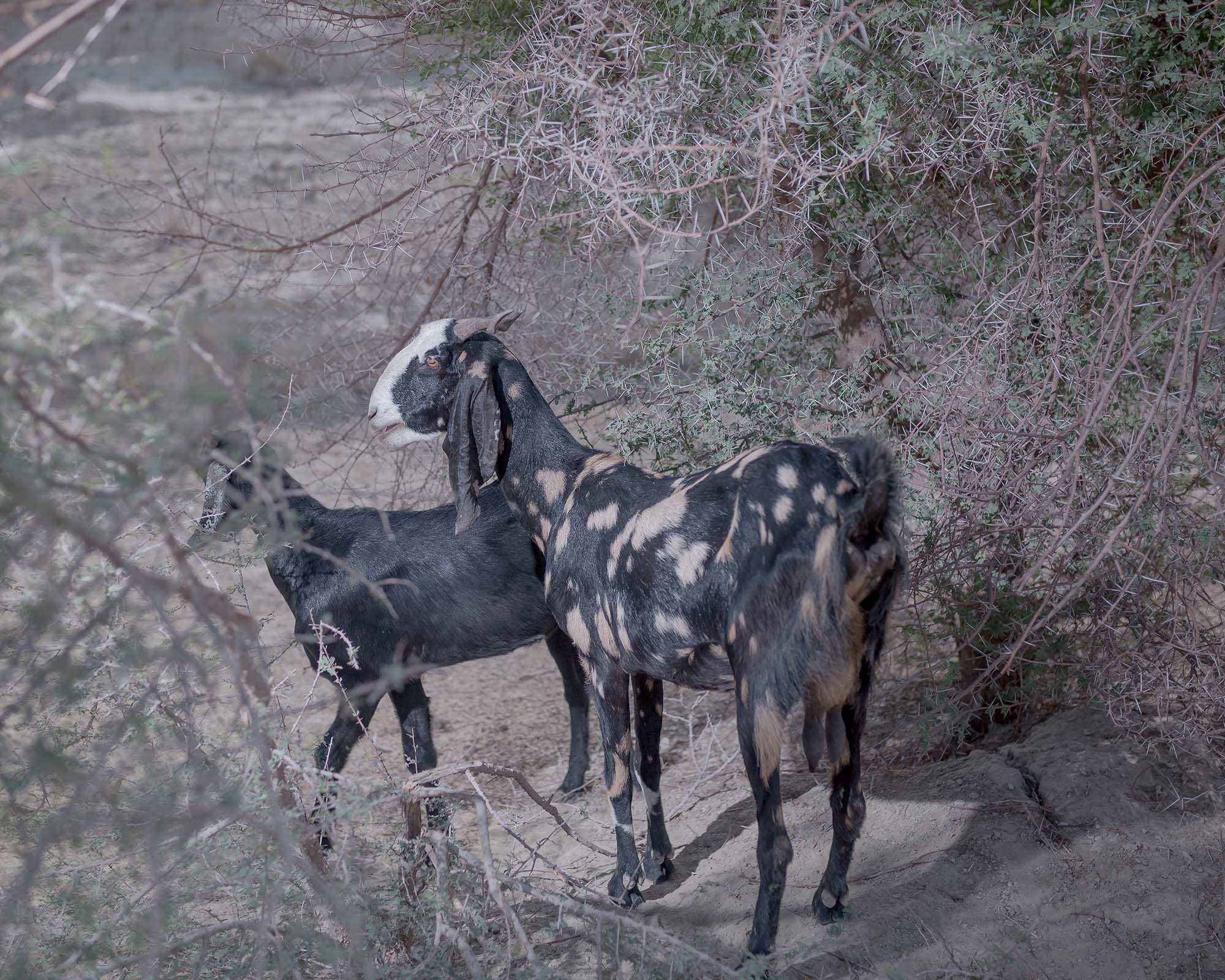
How many animal species can survive in this desert and be considered livestock? Even these goats won't produce milk without finding fodder. Children here start tending as a herdsman from as young as eight years old. There are snakes in this region. All the snakes in this area are venomous, yet there are no nearby clinics, and few people would survive a snakebite in these remote paths.
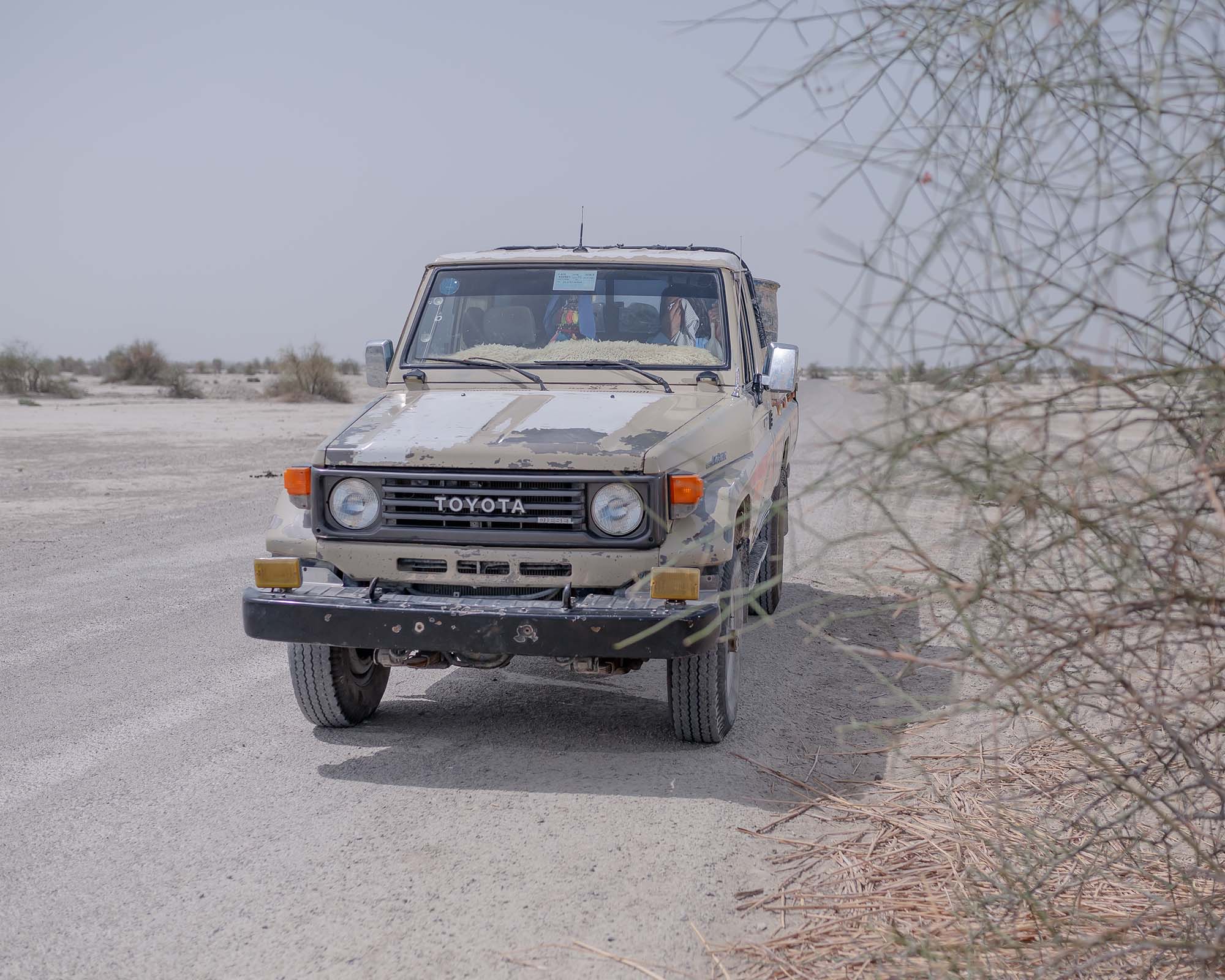
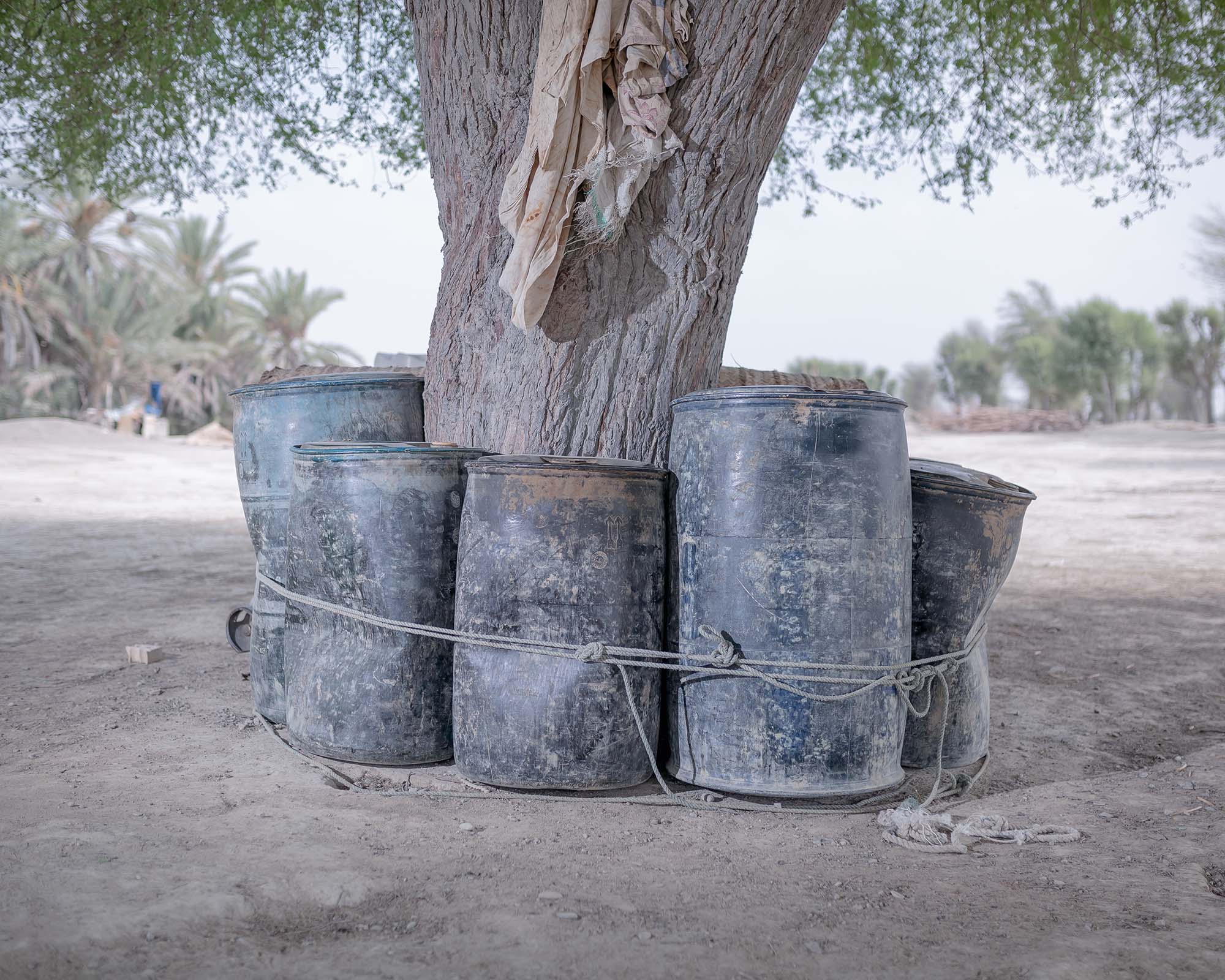
I am the Chesh tree, the largest in this village. For years, Liaqat and I shared a prosperous relationship until the borders closed, and Liaqat secured its barrels around my trunk. Now, my trunk is under Liaqat's control, and my fruits are left for the goats to consume. Recently, Liaqat's car crashed, followed by a barrage of gunfire. This incident has irreversibly altered his life, the impact of this incident has deeply wounded his life and spirit.

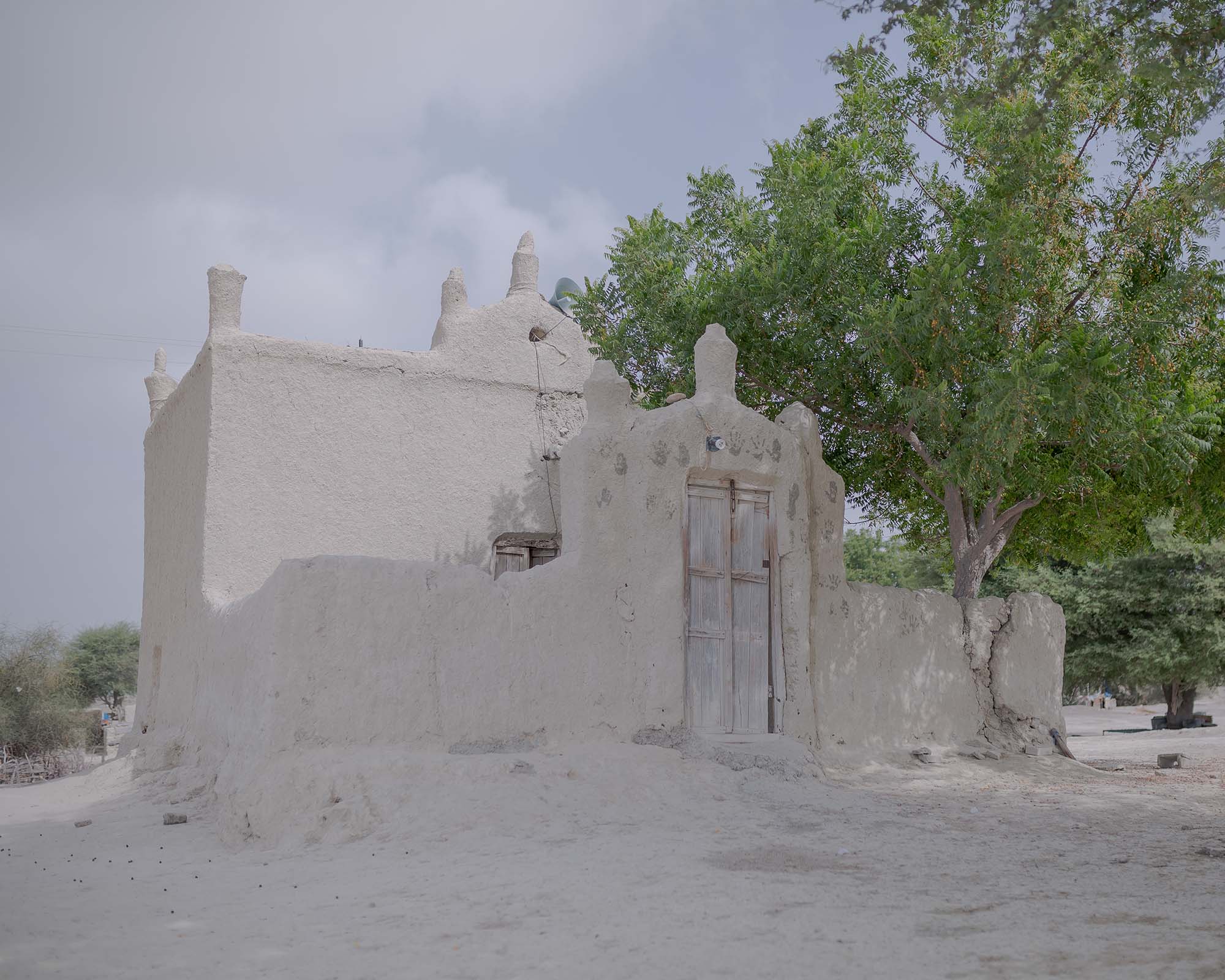
I stand as the solitary tree in this mosque, planted by Mahim's own hands. Within a modest 4-meter by 4-meter space, I am a Cherish tree (Azadirachta) , amidst the mosque's tranquil grounds. Perched upon a hill, this mosque serves as a gathering place for various occasions—be it for marriages, councils, or simply for relieving weariness through conversations.
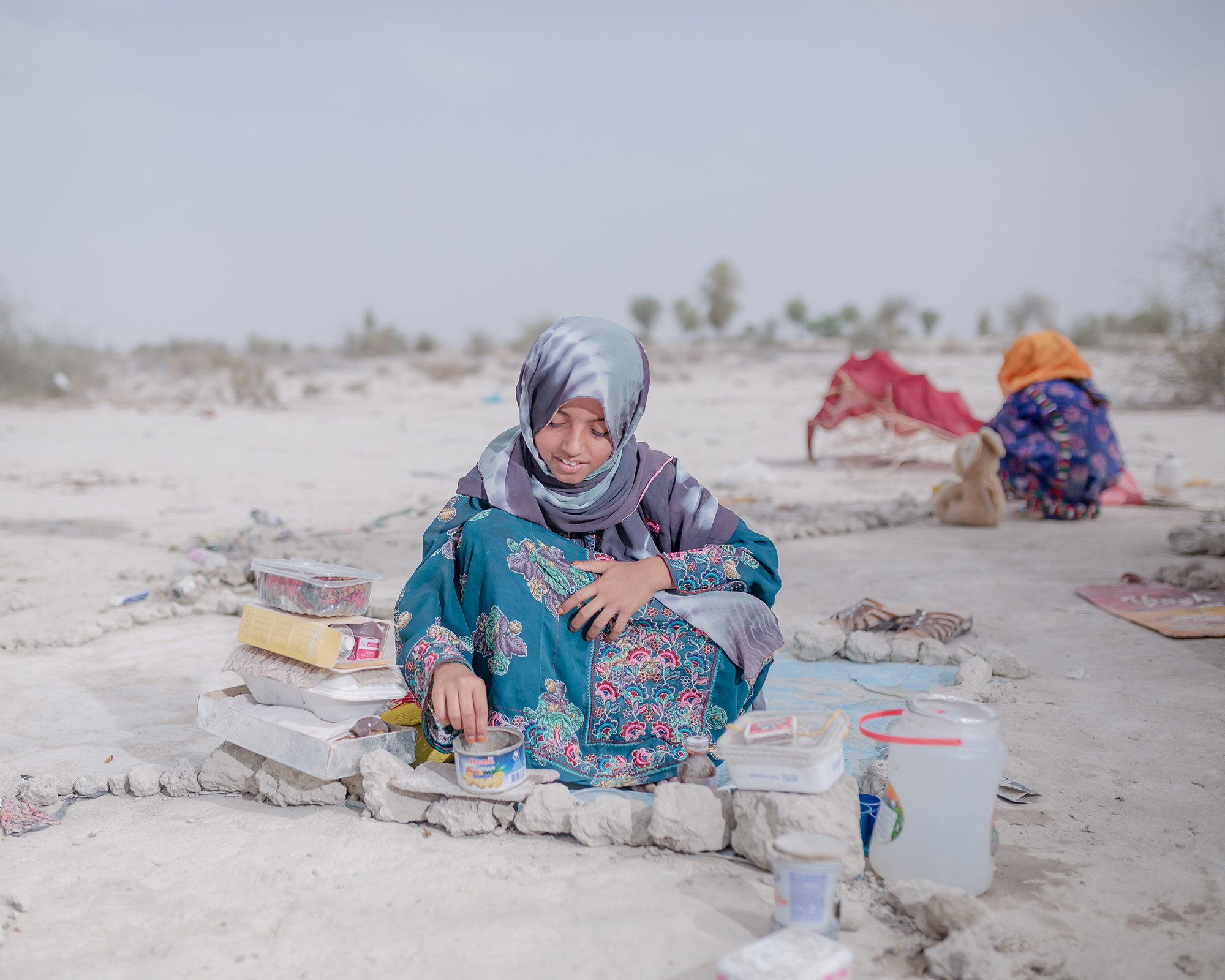

We call her Kalibo, whom you might call play grown up. Today, in our Kalibo, I have a visitor. I am sweeping my imaginary house, playing out my future life here. I hold a deep regard for people's lives; I am eager to hear everyone's story and learn about how people live in different places. I am filled with enthusiasm for the future. Come to my imaginary house, share your story with me, and I will recount the tales I have gathered.
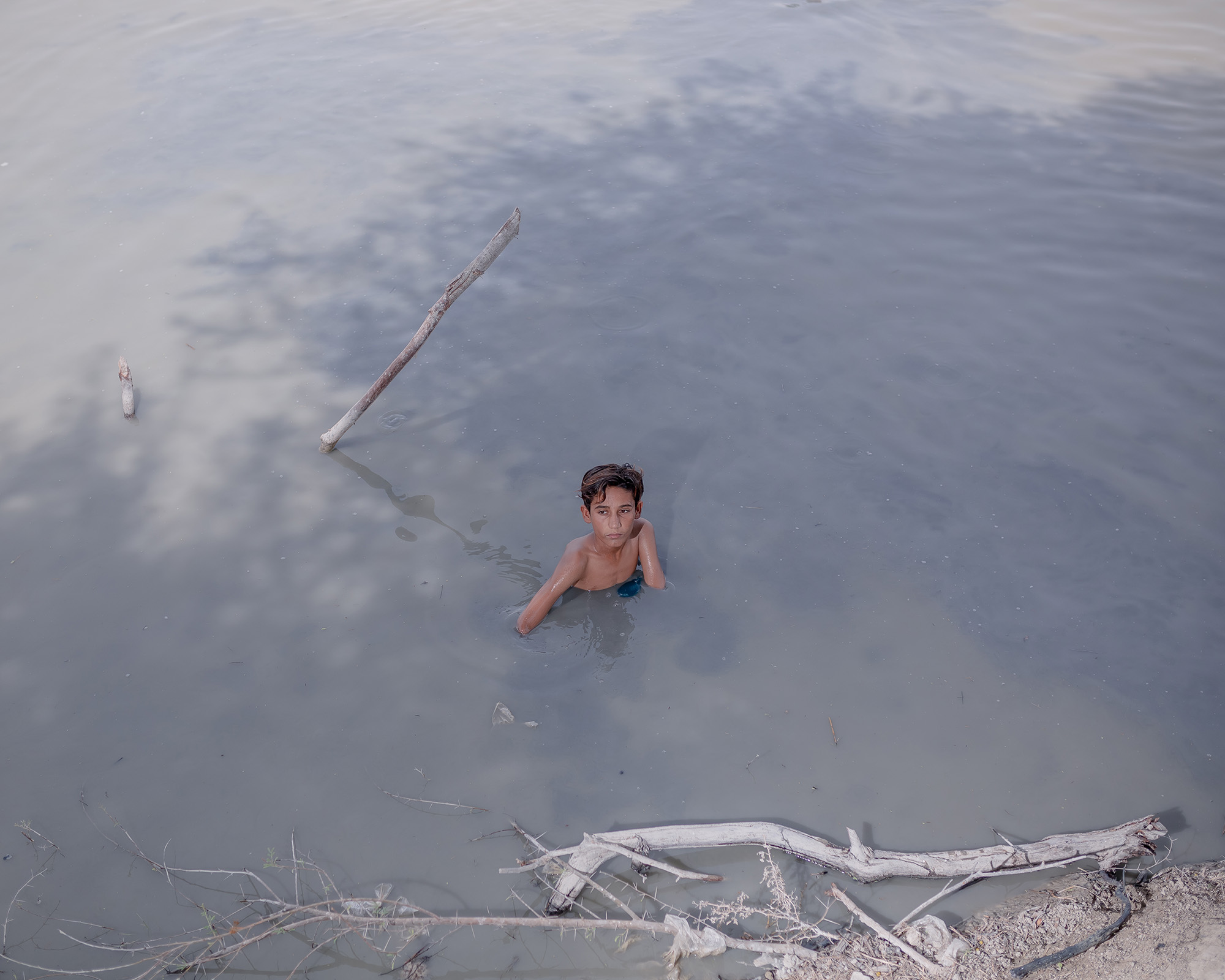
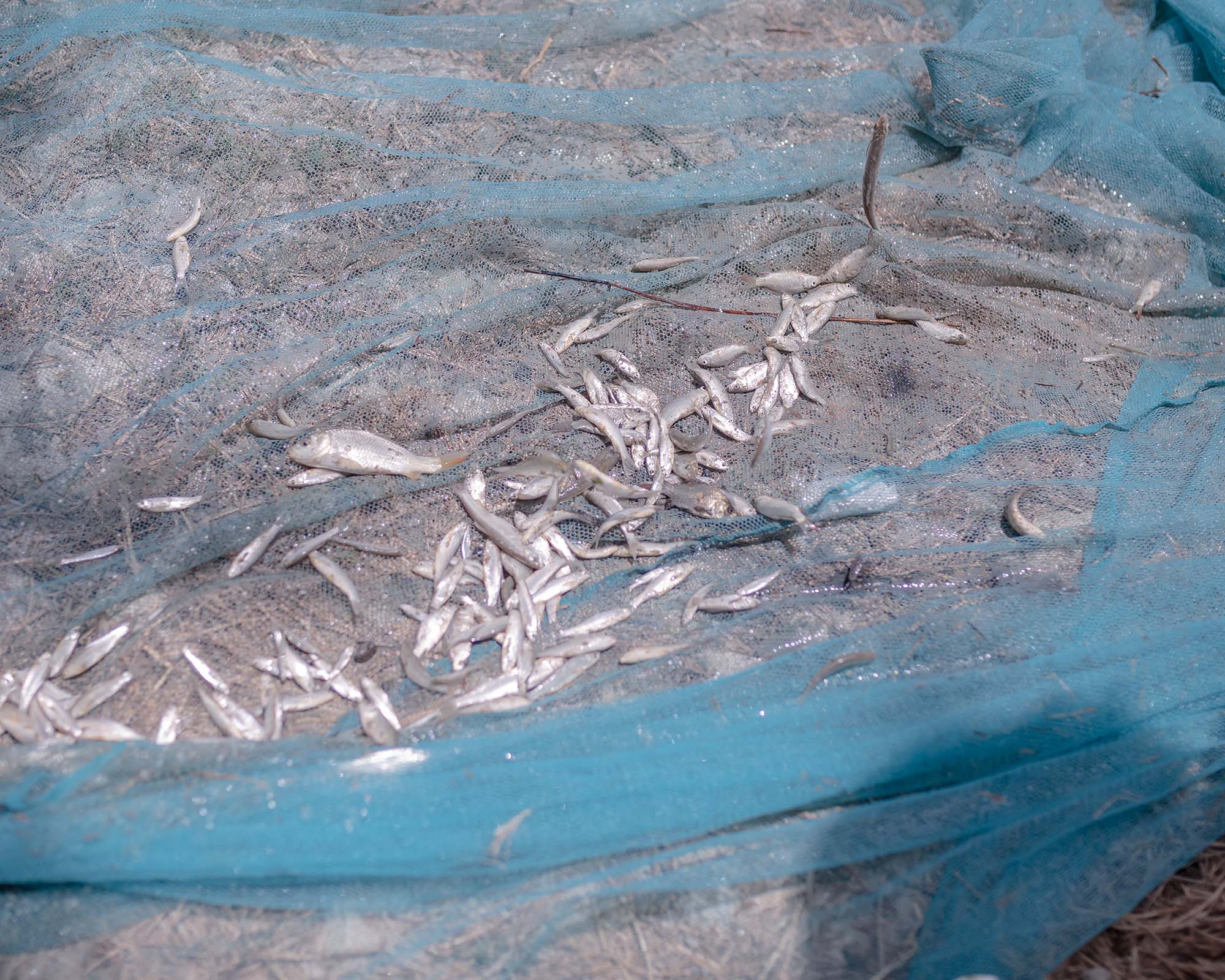
We are Glenich, Rigi, or Rigo—known as Hotak fish. When village girls dangle their scarves into the water, we are mesmerized by the threads and fabrics of their headscarves. They lure us out of the depths. we will die.
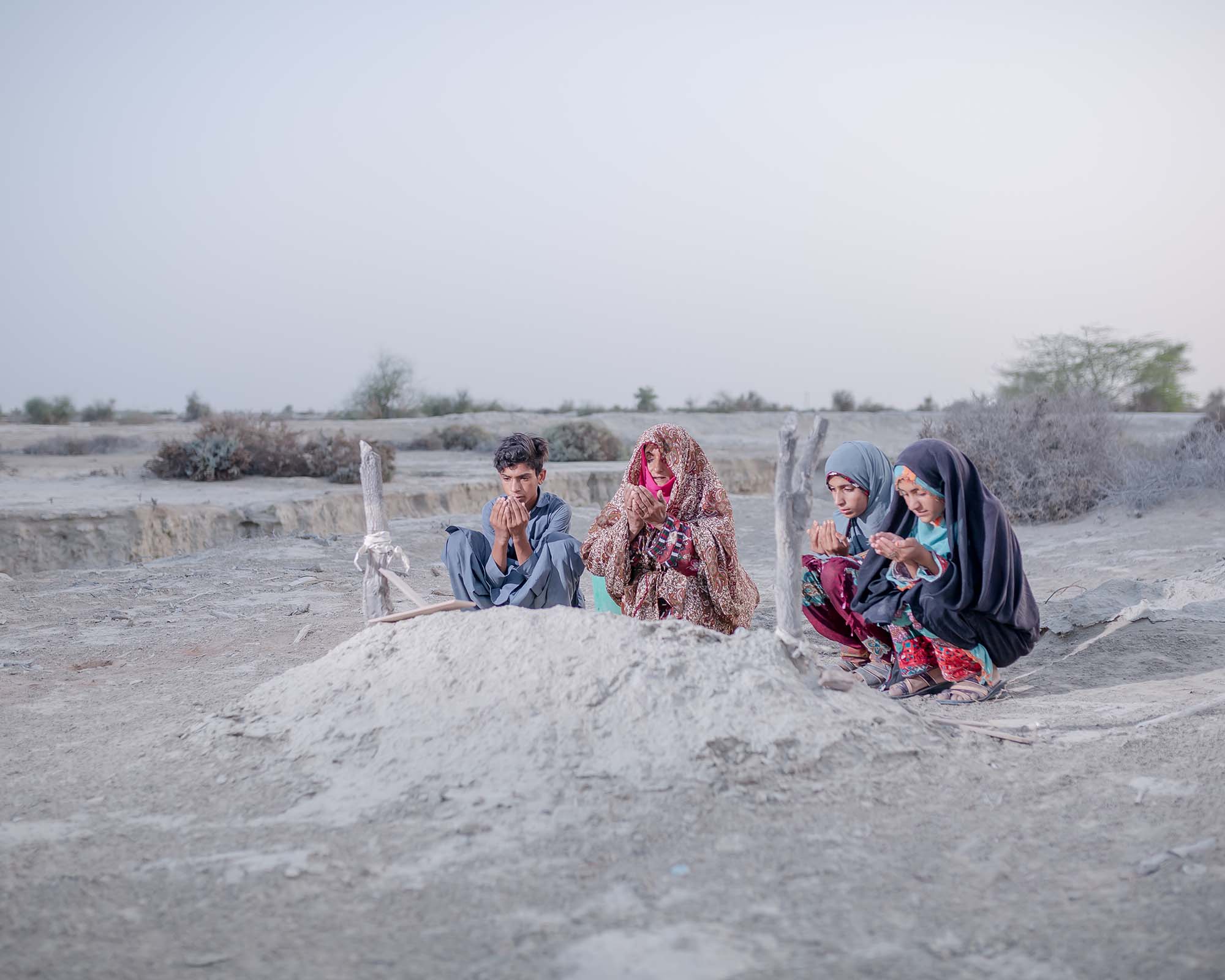
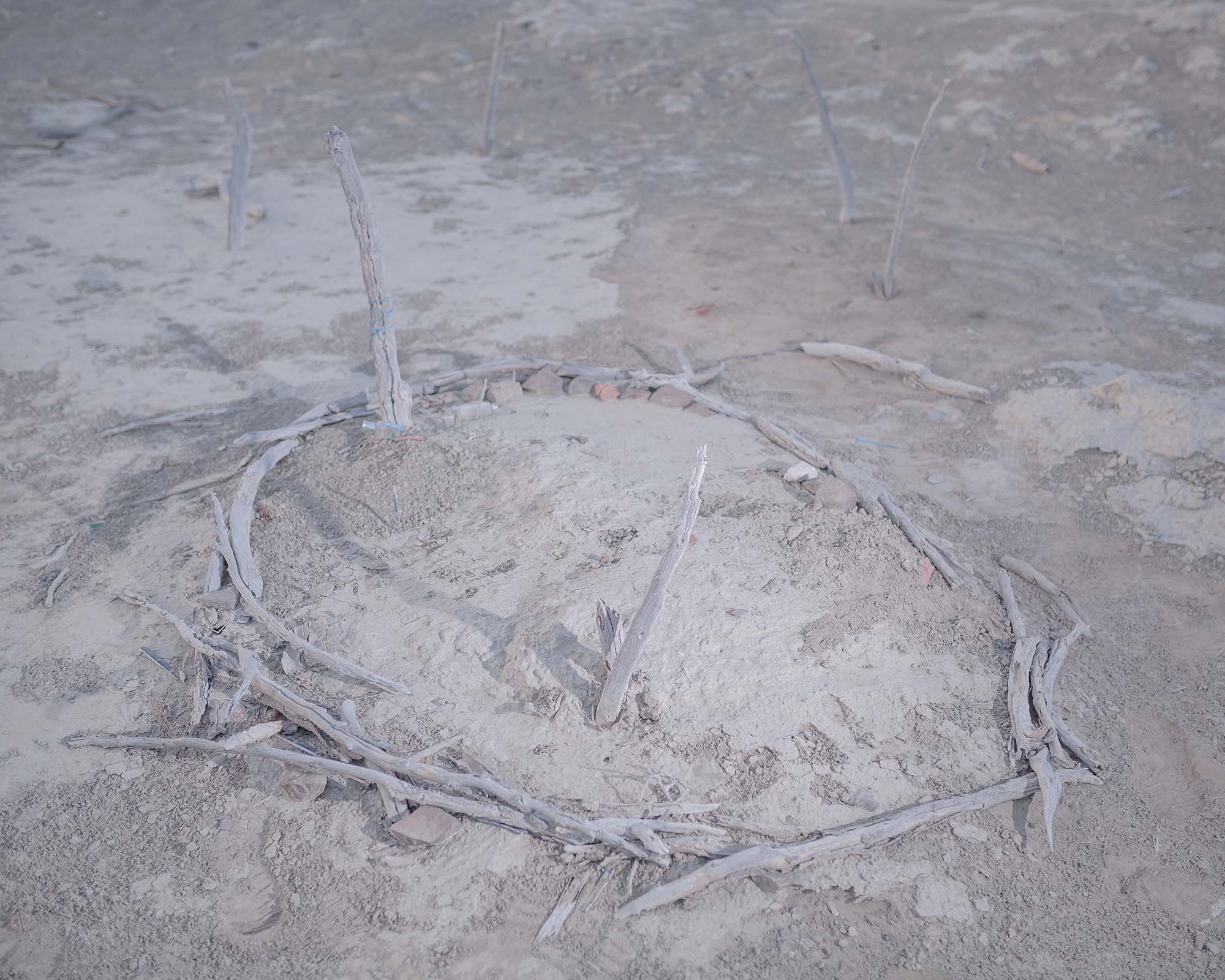
You can't see me in this photo.
My name is Yasin. I am two years old and I have not grown up since. I was two years old when I fell into Hotak, also known as the blue pits. Here, children fish and catch silver fishes, like the Rigo and Glenich, amidst the colorful headscarves of village girls. It's a tradition here, though one might hesitate to call it so. When a child passes away, their birth certificate is passed on to the next child. Now, my brother possesses my birth certificate.